Today we learned a little more about Costa Rican culture by visiting one of the oldest indigenous tribes in the Caribbean, the Bribri. They live primarily on a government-sanctioned reservation inland of Puerto Viejo, in Talamanca, tucked into the mountains bordering Panama. We drove through their namesake town to get to the reservation, the town of Bribri, an area that has only emerged within the past twenty years; it is a bustling municipal sector that boasts a courthouse, a bank, office of child protection services, veterinary office, and two universities.
At the end of a winding, narrow unpaved gravel road, we arrived at our first destination, where we were to learn about how the indigenous people use the rainforest flora and fauna for medicinal and nutritional purposes. We arrived at a farm bustling with people. Some of the houses were traditionally built, with dirt floors and thatched roofs, while the back house was more modern. While these people do not necessarily live like their ancestors, they certainly hold a deep regard for preserving the traditions and customs of their forefathers.
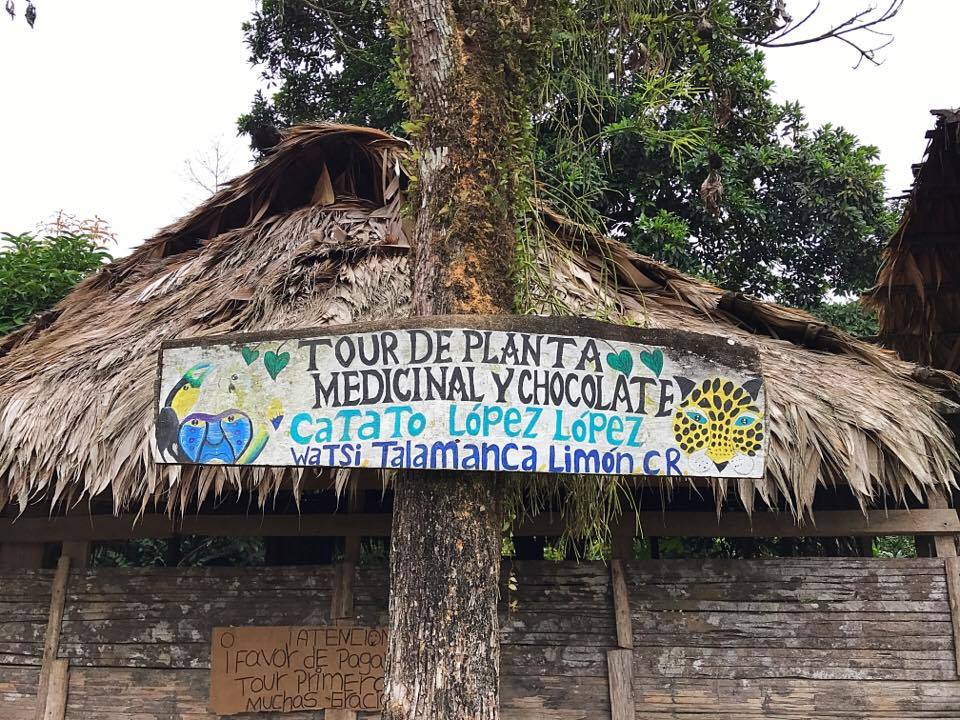
Many of the small, traditional structures are round, and there is a reason for that. The indigenous people built their houses to represent the planet (which signifies that they knew the Earth was round while Columbus was fancying himself sailing around the world to figure it out.) The entirety of the Bribri culture is centered around a deep connection to nature and the world around them, which is why Costa Rica’s original name was Iiria, which means Mother Earth in the native tongue.
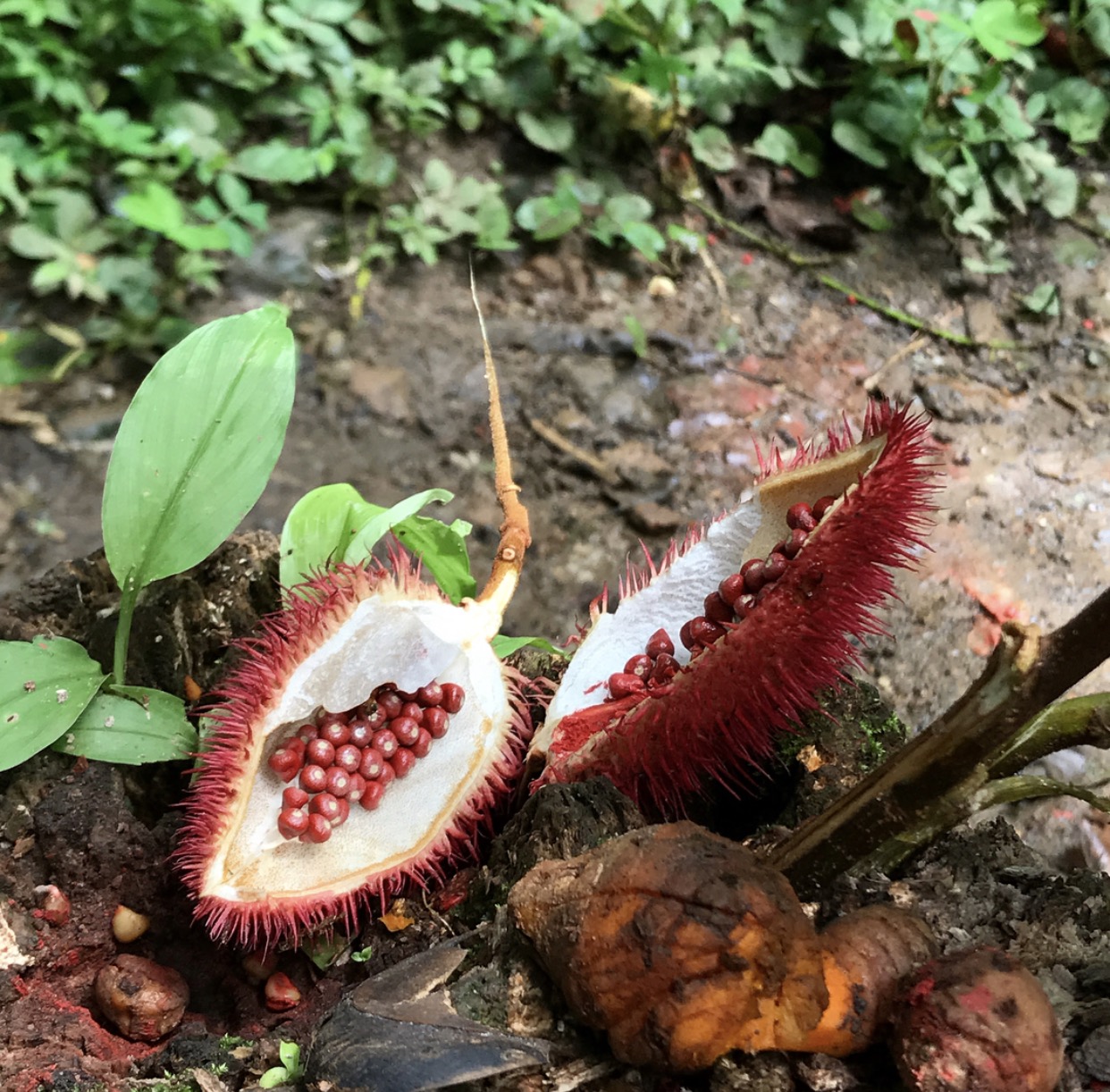
Our Bribri hosts were kind enough to take us onto their land, which is full of plants vital to their people. We were immediately greeted by a cluster of tumeric plants, which are used by the Bribri to treat both pain and cancer. We saw the red achiote, the seeds of which are crushed and applied to burns, but also produce a vibrant red paste that serves both as makeup and face paint (we ended up models for both; our guide swiped some on our cheeks and softly told us that now we are family.)

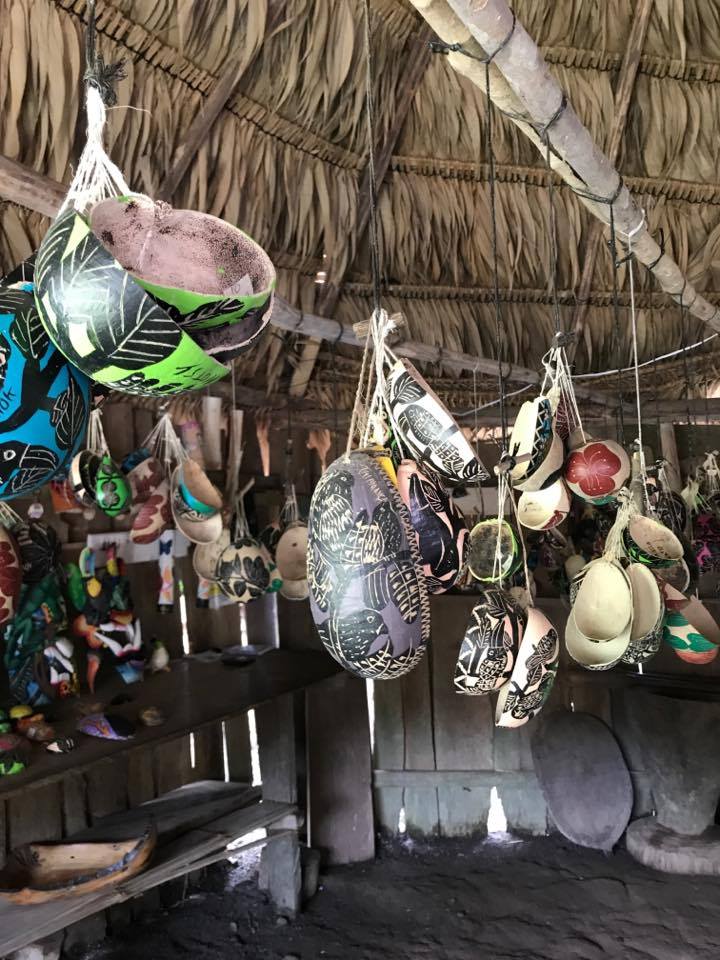
The Jicara (or Calabas) trees produce fruit with an incredibly hard shell that is excellent both as bowls and for carvings; this family sells handcarved Jicara shells with different animals representative of different traits.
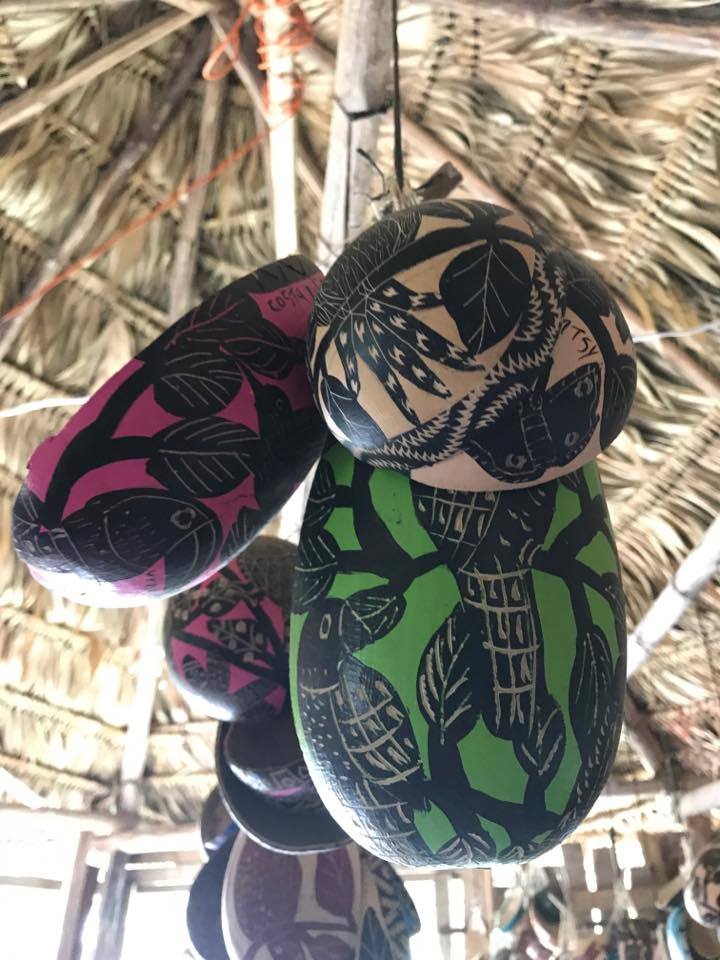
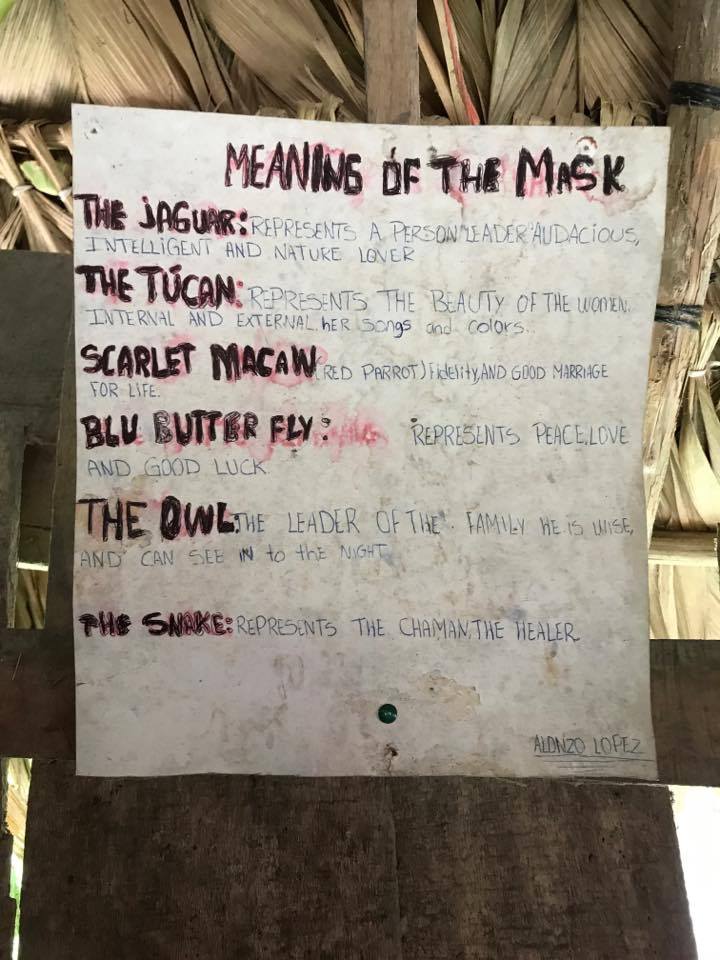
There are plants used as blood thinners, there are plants that kill infection, and encourage blood to coagulate. There is a plant in that forest to dye fabric every color imaginable, from blue to yellow to vibrant orange. The Javillo tree produces leaves so toxic that sloths eat the leaves to kill off parasites. The Hombre Grande tree produces quinine to cure malaria and dengue fever (it also happens to be so bitter that it allegedly makes your blood so unpalatable to mosquitos that they won’t bite you… I can’t necessarily attest to that, but we ate some so I can tell you it’s that bitter.) And then we got to the cacao!
The process of preparing and drinking cacao is a very special and sacred process for the Bribri; the fruit, when opened, looks like something out of a horror movie, like a slimy, white alien larvae.
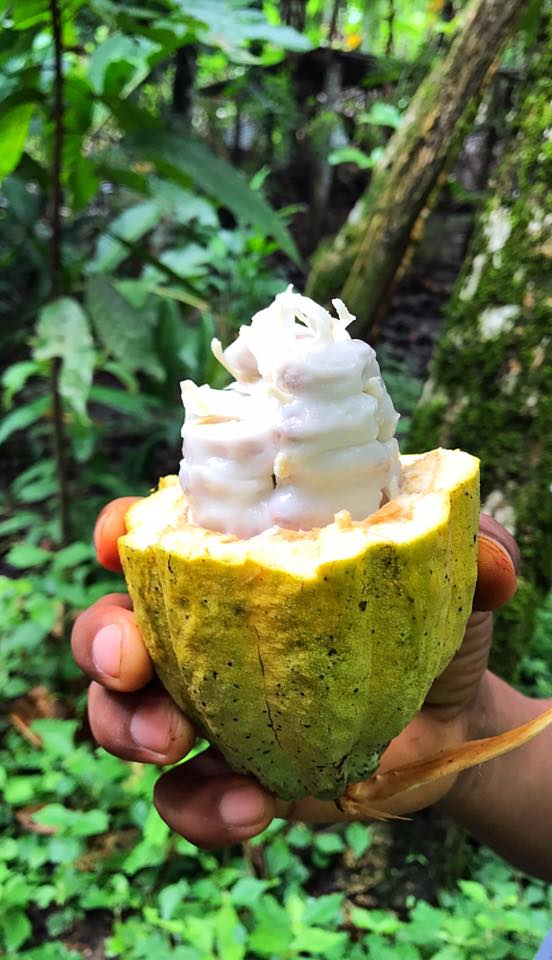
(it really does.)
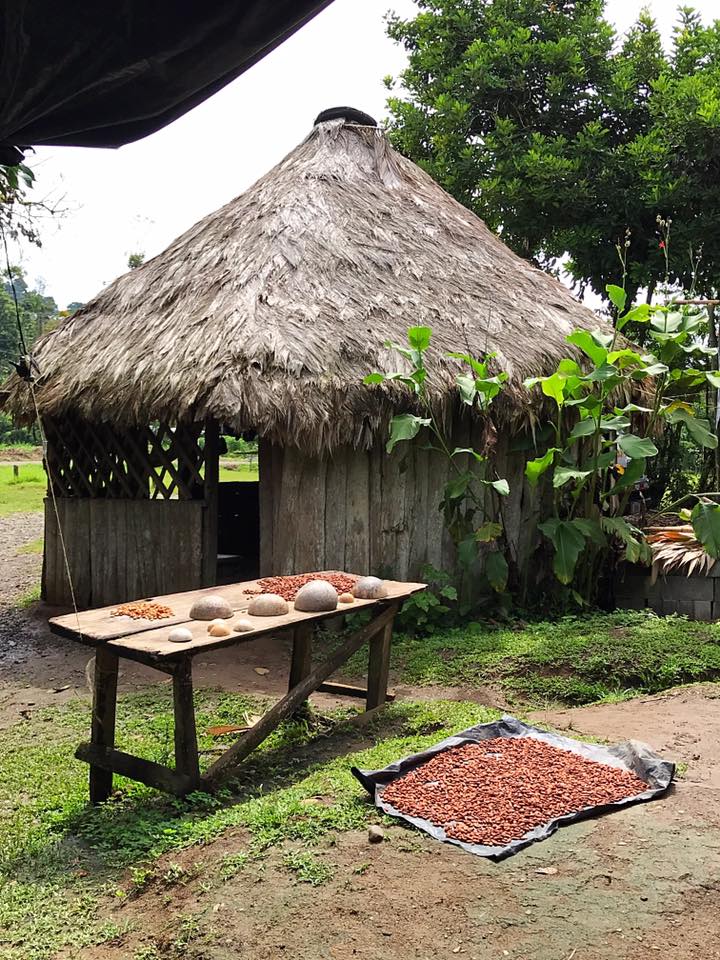
The filmy pulp surrounding each seed is deliciously sweet and refreshing, and can be used to alleviate burn pain and treat skin problems. To prepare these seeds for chocolate making, they are left out to ferment for one week; they then dry in the sunlight for 22 days until they almost look like almonds. They are roasted over a fire, stirred constantly so they don’t burn, until they start to pop like popcorn. They are then pulled off the heat, laid out onto a tray, and crushed into pieces, separating the shells in the process. The shells are then shaken off the tray (one woman lightly tossed the seed parts in the air so the lighter shells rose to the top, while another fanned the shells onto the floor) and ground into a thick, creamy, shiny paste that looks good enough to eat, and tastes it too. We had the raw cacao over fresh bananas, and it was sublime.

(Roasting the seeds)
The cacao is mixed with hot water, and occasionally cardamom or nutmeg, to make the traditional cacao drink. They were kind enough to add some sugar for us wimpy Americans who are used to our Hershey’s; it was surprisingly light and fruity, and absolutely delicious.
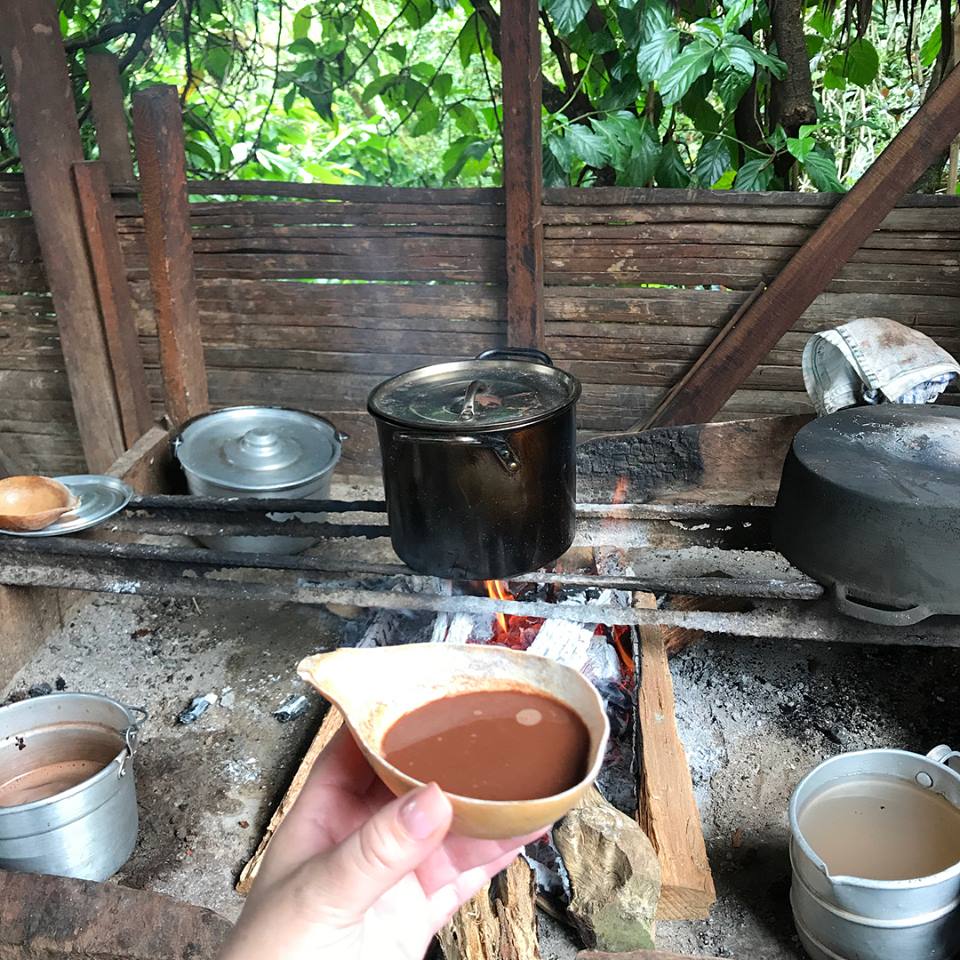
(¡Delicioso!)
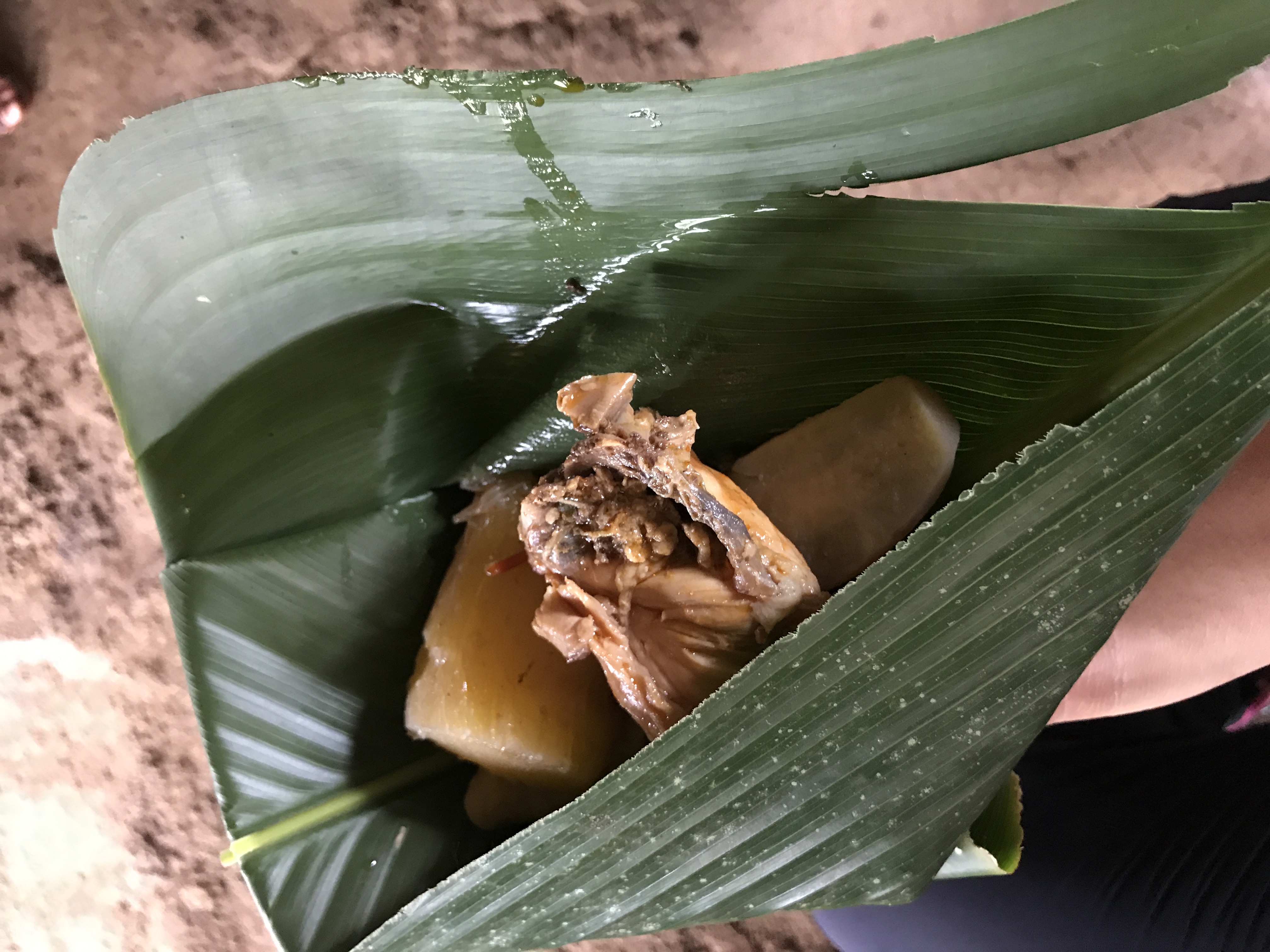
Our host family was kind enough to fix us a light lunch before we left, and we sat in the round house together, eating chicken and yucca and roasted bananas wrapped in a banana leaf.
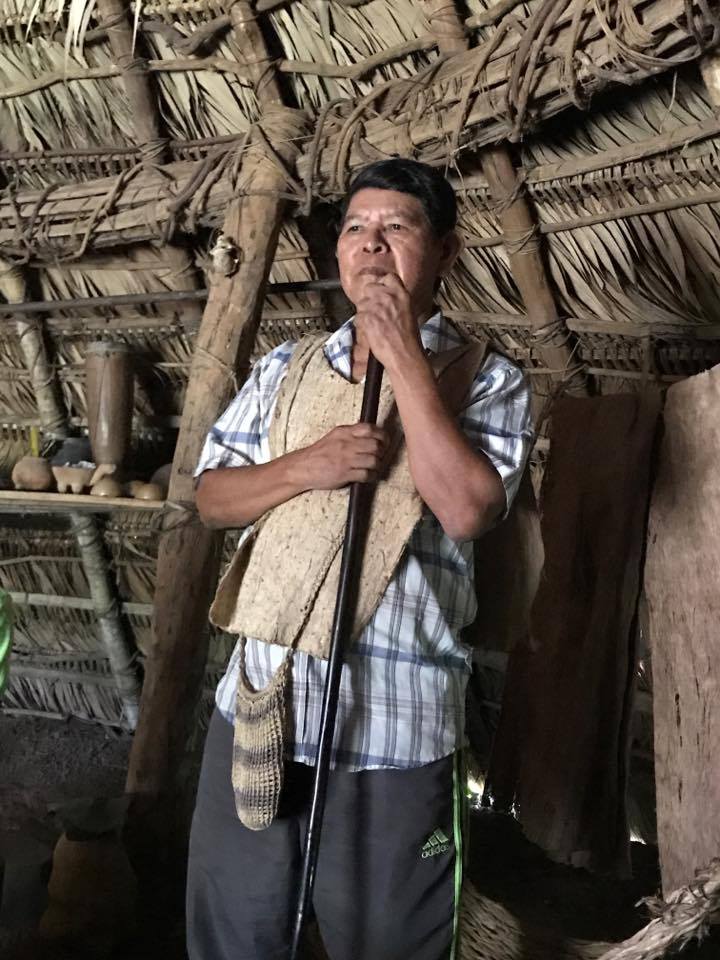
When we left the farm after lunch, we headed down the road to visit the shaman of the Bribri tribe, a man named Alessandro Lopez. He lived in another round house, a fire burning in the middle of it, a basket suspended from the ceiling above it, filled with ears of corn. He told us a bit more about the indigenous tribes; their lineage is matriarchal, professions are passed down generationally, and they believe each child inherits the trade skills of his or her parents. A child born of cacao producers will be gifted with handling cacao. A child of pharmacists will be inherently skilled at preparing and handling medicines. A child of shamans is destined to be a shaman.
As the shaman of his tribe, Alessandro diagnoses and treats illnesses; he uses the leaves of the Sanillo plant to cleanse the body and diagnose his patients. He used the leaves on us in a small cleansing ceremony; he heated the leaf over the fire, and ran it over our shoulders and knees, as we sat silently. When he was done, he thanked us in Bribri: me-eye, me-eye. I’m not usually one for this kind of thing, we’re science teachers, after all. But there was something about sitting in a round room of people long gone, and the shaman’s sweet, weathered face, and his crinkly smiling eyes; I did feel like I left that hut a little lighter than when I went in.
Me-eye, me-eye, Alessandro. Me-eye, me-eye, Iiria.
 We're in the rainforest!
You have planned such a varied and interesting trip! I never would have guessed that the fruit pictured eventually ends up as chocolate!
LikeLike
Another day packed with interesting facts. That “hot chocolate” looks delicious:)
LikeLike